<?xml version="1.0" encoding="UTF-8"?>
<rss version="2.0"
	xmlns:content="http://purl.org/rss/1.0/modules/content/"
	xmlns:wfw="http://wellformedweb.org/CommentAPI/"
	xmlns:dc="http://purl.org/dc/elements/1.1/"
	xmlns:atom="http://www.w3.org/2005/Atom"
	xmlns:sy="http://purl.org/rss/1.0/modules/syndication/"
	xmlns:slash="http://purl.org/rss/1.0/modules/slash/"
	>

<channel>
	<title>TransGuys&#187; TransGuys.com &#8211; testosterone</title>
	<atom:link href="http://transguys.com/tag/testosterone/feed" rel="self" type="application/rss+xml" />
	<link>http://transguys.com</link>
	<description>The Internet&#039;s Magazine for Transgender Men</description>
	<lastBuildDate>Mon, 26 Jul 2010 21:24:59 +0000</lastBuildDate>
	<language>en</language>
	<sy:updatePeriod>hourly</sy:updatePeriod>
	<sy:updateFrequency>1</sy:updateFrequency>
	<generator>http://wordpress.org/?v=3.0</generator>
		<item>
		<title>The Effects of Injected Testosterone Dose and Age on the Conversion of Testosterone to Estradiol and Dihydrotestosterone in Young and Older&#160;Men</title>
		<link>http://transguys.com/ref/research/testosterone-age-conversion-estradiol-dihydrotestosterone</link>
		<comments>http://transguys.com/ref/research/testosterone-age-conversion-estradiol-dihydrotestosterone#comments</comments>
		<pubDate>Sat, 12 Jun 2010 20:35:47 +0000</pubDate>
		<dc:creator>Joshua</dc:creator>
				<category><![CDATA[Research]]></category>
		<category><![CDATA[dht]]></category>
		<category><![CDATA[endocrinology]]></category>
		<category><![CDATA[estrogen]]></category>
		<category><![CDATA[testosterone]]></category>

		<guid isPermaLink="false">http://transguys.com/?p=640</guid>
		<description><![CDATA[Researchers evaluated age and dose-related differences in E<sup>2</sup> and DHT levels in response to graded doses of testosterone enanthate in young and older men.]]></description>
			<content:encoded><![CDATA[<div class="tweetmeme_button" style="float: right; margin-left: 10px;"><a href="http://api.tweetmeme.com/share?url=http%3A%2F%2Ftransguys.com%2Fref%2Fresearch%2Ftestosterone-age-conversion-estradiol-dihydrotestosterone"><img src="http://api.tweetmeme.com/imagebutton.gif?url=http%3A%2F%2Ftransguys.com%2Fref%2Fresearch%2Ftestosterone-age-conversion-estradiol-dihydrotestosterone" height="61" width="51" /></a></div><p><strong><img class="alignleft size-full wp-image-643" title="testosterone-enanthate-200x160" src="http://transguys.com/wp-content/uploads/testosterone-enanthate-200x160.jpg" alt="Testosterone Enanthate. Content © 2010 Newscom  All rights reserved." width="200" height="160" />Background:</strong> During testosterone (T) therapy, T is partly converted to 17β-estradiol (E<sub>2</sub>) and 5α-dihydrotestosterone (DHT). Effects of age, testosterone dose, and body composition on total and<sup> </sup>free E<sub>2</sub> and DHT levels are unknown.</p>
<p><strong>Objective:</strong> We evaluated age and dose-related differences in E<sub>2</sub> and DHT levels in response to graded doses of testosterone enanthate in young and older men.</p>
<p><strong>Methods:</strong> Fifty-one young (aged 19–35 yr) and 52 older (aged 59–75 yr) men completed treatment with monthly injections of a GnRH agonist plus randomly assigned weekly doses of testosterone enanthate (25, 50, 125, 300, or 600 mg) for 5 months.</p>
<p><strong>Results:</strong> During testosterone administration, total and free E<sub>2</sub> levels increased dose-dependently (dose effect, <em>P</em> &lt; 0.001) in both young and older men. Total and free E<sub>2</sub>levels and E<sub>2</sub>:T ratios during T administration were higher in older than young men, but age-related differences in free E<sub>2</sub> and free E<sub>2</sub>:T ratios were not significant after adjusting for testosterone levels, percentage fat mass, and SHBG. DHT levels and DHT:T ratios were dose-related but did not differ between young and older men. Mechanistic modeling of free hormone data revealed that the conversions of T to E<sub>2</sub> and DHT were both consistent with saturable Michaelis-Menten kinetics. The <em>in vivo</em>K<sub>m</sub> values were estimated<sup> </sup>to be 1.83 nM for aromatase and 3.35 nM for 5α-reductase, independent of age. The V<sub>max</sub> parameter for E<sub>2</sub> was 40% higher in older men than younger men, but V<sub>max</sub> for DHT was not significantly different between age groups.</p>
<p><strong>Conclusions:</strong> During im testosterone administration, E<sub>2</sub> and DHT levels exhibit saturable increases with dose. The rate of whole body aromatization is higher in older men, partly related to their higher percentage fat mass, SHBG, and testosterone levels.</p>
<p>Abstract reprinted from: Lakshman KM et. al., The Effects of Injected Testosterone Dose and Age on the Conversion of Testosterone to Estradiol and Dihydrotestosterone in Young and Older Men, Journal of Clinical Endocrinology &amp; Metabolism (2010), doi:10.1210/jc.2010-0102</p>
<p><a href="http://jcem.endojournals.org/cgi/content/abstract/jc.2010-0102v1">Read the original abstract here.</a> Note that all articles published more than 12 months ago back to 1997 are free to all online. You can also <a href="http://www.endojournals.org/misc/patient_info.dtl">request patient access to the full article</a>.</p>
<p>Also see: <a href="http://transguys.com/features/dht-transgender-men">DHT for Transgender Men</a></p>
<p>Any views expressed in this article are the views of the authors and are not necessarily the views of TransGuys.com’s publisher or contributors. See full <a href="http://transguys.com/about/disclaimer">Disclaimer</a>.</p>
<hr /><small>All content on TransGuys.com, including this feed, is licensed under <a href="http://creativecommons.org/licenses/by-nc-sa/2.5/ca/">Creative Commons</a>. You're free to share and mix this content, for non-commercial purposes only, provided you attribute the work and license any derivative work only under the same or similar licence to this one. (Digital key:  efc390b8ed9f472843775af8c05d3ca9 (38.107.191.85) )</small>]]></content:encoded>
			<wfw:commentRss>http://transguys.com/ref/research/testosterone-age-conversion-estradiol-dihydrotestosterone/feed</wfw:commentRss>
		<slash:comments>0</slash:comments>
		</item>
		<item>
		<title>Quantifying the Impact of Androgen Therapy On the Female&#160;Larynx</title>
		<link>http://transguys.com/ref/research/quantifying-impact-of-androgen-therapy-on-female-larynx</link>
		<comments>http://transguys.com/ref/research/quantifying-impact-of-androgen-therapy-on-female-larynx#comments</comments>
		<pubDate>Sat, 12 Jun 2010 02:10:11 +0000</pubDate>
		<dc:creator>Joshua</dc:creator>
				<category><![CDATA[Research]]></category>
		<category><![CDATA[singing]]></category>
		<category><![CDATA[testosterone]]></category>
		<category><![CDATA[voice]]></category>

		<guid isPermaLink="false">http://transguys.com/?p=626</guid>
		<description><![CDATA[This journal article explores the timing of changes in the trans male singing voice caused by androgen therapy during FTM gender transition.]]></description>
			<content:encoded><![CDATA[<div class="tweetmeme_button" style="float: right; margin-left: 10px;"><a href="http://api.tweetmeme.com/share?url=http%3A%2F%2Ftransguys.com%2Fref%2Fresearch%2Fquantifying-impact-of-androgen-therapy-on-female-larynx"><img src="http://api.tweetmeme.com/imagebutton.gif?url=http%3A%2F%2Ftransguys.com%2Fref%2Fresearch%2Fquantifying-impact-of-androgen-therapy-on-female-larynx" height="61" width="51" /></a></div><p><strong>Objective: </strong>To describe the timing of changes in fundamental frequency of the female voice following androgen therapy during female to male gender reassignment.<strong></strong></p>
<p><strong>Methods:</strong> A 33-year-old female semi-professional singer undergoing gender reassignment and intramuscular androgen injections was examined at monthly intervals to monitor the impact of therapy on the voice. Laryngostroboscopy and acoustic analysis were performed simultaneously to monitor for potential laryngeal pathology.</p>
<p><strong>Results: </strong>Pretreatment mean fundamental frequency (MF0) was 228.45 Hz and ranged from 140.26 Hz to 430.64 Hz. Between month 3 and month 4 of treatment, MF0 declined to 116.52 Hz and ranged from 90.75 Hz to 201.07 Hz. Shimmer increased from 3.4% to 7.8%. Noise to harmonics ratio (NHR) also increased from 0.12 to 0.17. The patient has continued to sing semi-professionally despite these changes in laryngeal function.</p>
<p><strong>Conclusion:</strong> Androgen therapy exerted a profound change on mean fundamental frequency between the third and fourth months of treatment. In addition, pitch range was reduced in a commensurate fashion. Patients undergoing androgen therapy may undergo a signiﬁcant change in speaking voice between the third and fourth months of therapy. Moreover, though these changes may exert a profound impact on the singing voice, patients undergoing gender reassignment may still be able to achieve personal and professional success in their singing careers.</p>
<p>Abstract reprinted from: Damrose EJ, Quantifying the impact of androgen therapy on the female larynx, Auris Nasus Larynx (2008), doi:10.1016/j.anl.2008.03.002</p>
<p><strong><a href="http://transguys.com/pdf/transguys_com_quantifyingtheimpactofandrogentherapyonthefemalelarynx.pdf">Read the full journal article here.</a></strong></p>
<p>Also see: <a href="http://transguys.com/features/testosterone-ftm-singing">Testosterone and the Trans Male Singing Voice</a></p>
<p>Special thanks to TransGuys.com reader picji for sharing this! (via <a href="http://itsnotmyfault.wordpress.com/2009/01/14/effects-of-testosterone/">Drik</a> via <a href="http://www.myspace.com/cutelittlewhiteguy">Joshua Klipp</a>)</p>
<p>Any views expressed in this article are the views of the authors and are not necessarily the views of TransGuys.com&#8217;s publisher or contributors. See full <a href="http://transguys.com/about/disclaimer">Disclaimer</a>.</p>
<hr /><small>All content on TransGuys.com, including this feed, is licensed under <a href="http://creativecommons.org/licenses/by-nc-sa/2.5/ca/">Creative Commons</a>. You're free to share and mix this content, for non-commercial purposes only, provided you attribute the work and license any derivative work only under the same or similar licence to this one. (Digital key:  efc390b8ed9f472843775af8c05d3ca9 (38.107.191.85) )</small>]]></content:encoded>
			<wfw:commentRss>http://transguys.com/ref/research/quantifying-impact-of-androgen-therapy-on-female-larynx/feed</wfw:commentRss>
		<slash:comments>1</slash:comments>
		</item>
		<item>
		<title>Testosterone and the Trans Male Singing&#160;Voice</title>
		<link>http://transguys.com/features/testosterone-ftm-singing</link>
		<comments>http://transguys.com/features/testosterone-ftm-singing#comments</comments>
		<pubDate>Mon, 28 Dec 2009 21:25:35 +0000</pubDate>
		<dc:creator>Joshua</dc:creator>
				<category><![CDATA[Features]]></category>
		<category><![CDATA[ftm]]></category>
		<category><![CDATA[testosterone]]></category>

		<guid isPermaLink="false">http://transguys.com/?p=467</guid>
		<description><![CDATA[Are there ways of easing the transition of the FTM singing voice?]]></description>
			<content:encoded><![CDATA[<div class="tweetmeme_button" style="float: right; margin-left: 10px;"><a href="http://api.tweetmeme.com/share?url=http%3A%2F%2Ftransguys.com%2Ffeatures%2Ftestosterone-ftm-singing"><img src="http://api.tweetmeme.com/imagebutton.gif?url=http%3A%2F%2Ftransguys.com%2Ffeatures%2Ftestosterone-ftm-singing" height="61" width="51" /></a></div><p><img class="alignleft size-full wp-image-486" title="transmalesingingvoice-200x160" src="http://transguys.com/wp-content/uploads/transmalesingingvoice-200x160.jpg" alt="transmalesingingvoice-200x160" width="200" height="160" />One of the most desired effects of testosterone by transgender men is a deepening of the voice. This change is very helpful for assuming the male gender role. However, there&#8217;s an uncertainty to voice changes: testosterone doesn&#8217;t always drop the pitch low enough, and the changed voice can be persistently hoarse and weak. This can cause both personal and professional difficulties, but for singers, the &#8220;unpredictable and irreversible&#8221;<sup><a href="#1">1</a></sup> nature of testosterone&#8217;s effects on the voice is a terrifying prospect. The loss of singing ability is not inevitable for trans men though, and there are strategies for easing the transition of the FTM singing voice.</p>
<p>One of my biggest misgivings about starting on testosterone was my singing voice. Beginning as a teenager, I&#8217;d performed professionally as a vocalist and guitarist for more than 10 years. Singing was as fundamental to my identity as gender. Would it have to be sacrificed at the expense of transition?</p>
<p>In <em>Body Alchemy: Transsexual Portraits</em> by Loren Cameron, there&#8217;s a portrait of author and educator, <a href="http://www.jamisongreen.com/">Jamison Green</a>. He&#8217;s posed with a hand drum, and in the accompanying text he explains that he lost his singing voice once he started hormone therapy.<sup><a href="#2">2</a></sup> Here was one of the most visible trans men admitting one of my greatest fears about testosterone! It wasn&#8217;t encouraging, so I set out to find some stories that were.</p>
<p>The first sign of hope I found was in Joe Stevens of the queer folk duo, <a href="http://www.coyotegrace.com/">Coyote Grace</a>.  Listening to Joe&#8217;s smooth, high lonesome vocal on &#8220;A Guy Named Joe&#8221; was clear indication to me that there could indeed be singing after T.</p>
<p><strong>A Guy Named Joe, Coyote Grace</strong></p>
<p><a href="http://transguys.com/features/testosterone-ftm-singing"><em>Click here to view the embedded video.</em></a></p>
<p>By the time I found <a href="http://joshuaklipp.com/">Joshua Klipp</a> in late 2007, his music had already been featured on television and radio across the United States. His song &#8220;Little Girl&#8221; gained instant notoriety not only due to Joshua&#8217;s powerful performance, but also because it marked <a href="http://www.sfbaytimes.com/index.php?article_id=5703&amp;sec=article">the first time in music industry history that a song featured a trans man&#8217;s pre-T voice alongside his testosterone-changed voice.</a></p>
<p><strong>L1FE, Joshua Klipp</strong></p>
<p><a href="http://transguys.com/features/testosterone-ftm-singing"><em>Click here to view the embedded video.</em></a></p>
<p>Scottish folk singer <a href="http://www.simondevoil.co.uk/">Simon de Voil</a> was the subject of the feature documentary <a href="http://www.funnykindaguy.com/">Funny Kinda Guy</a>.  The film follows Simon through his early transition as he &#8220;irreversibly sacrifices his female singing voice to hormone treatment.&#8221;<sup><a href="#3">3</a></sup> Although he couldn&#8217;t sing confidently for three years, Simon says that since then his new voice has &#8220;really grown into itself.&#8221;<sup><a href="#4">4</a></sup></p>
<p>Clearly, it&#8217;s possible for trans men to continue to sing after starting HRT, whether that&#8217;s around a camp fire with friends or on stages around the world. While there&#8217;s a serious lack of research in this area, we can look to the science of voice for guidance about how to ease FTM vocal transition.</p>
<h2><a href="http://en.wikipedia.org/wiki/File:Larynx_external_en.svg"><img class="alignright size-full wp-image-470" title="larynx" src="http://transguys.com/wp-content/uploads/larynx.gif" alt="larynx" width="300" height="260" /></a>How Testosterone Affects the Larynx</h2>
<p>The larynx, or voice box, is a hormone-dependent organ. In teenage boys, increased testosterone production causes the vocal folds (vocal chords) to thicken, lengthen and mature. The cartilage of the larynx grows, further influencing the tone of voice. It also tilts slightly, resulting in a bump on the throat&#8212;the Adam&#8217;s Apple. This is a process that happens over time as the teen matures.</p>
<p>Trans men conversely, are often started on the highest recommended dose of testosterone, bringing about changes that would normally occur over several years in a much shorter time. Testosterone therapy makes the vocal folds grow thicker but they are restricted in length by the size of the larynx (which is typically smaller in trans men than in bio-males.) Cartilage growth is said to only happen during puberty<sup><a href="#5">5</a></sup>, and early <a href="http://en.wikipedia.org/wiki/Ossification">cartilage ossification</a> caused by testosterone further limits the growth of the trans male larynx.</p>
<p>In his <a href="http://www.radical-musicology.org.uk/2008/Constansis.htm">groundbreaking study</a> however, Alexandros Constansis revealed that his 39-year old larynx had indeed grown wider within the first year of HRT.<sup><a href="#6">6</a></sup> Working with a group of FTM singers, Constansis noted that the most common characteristic among study participants was what he called &#8220;entrapped vocality.&#8221;<sup><a href="#7">7</a></sup> The symptoms&#8212;persistent hoarseness and the inability to access and control certain areas of vocal range&#8212;were attributed to an inadequately enlarged larynx, due to age and the early onset of laryngeal cartilage ossification. (<a href="http://www.ncvs.org/ncvs/tutorials/voiceprod/tutorial/changes.html">In some people, this ossification actually improves their singing voice</a>, as the &#8220;hardened&#8221; larynx is better able to support the vocal folds.)</p>
<p>A professional singer himself, Constansis approached his own HRT conservatively, opting for a low starting dose that was gradually increased over a one year period. He reasoned that &#8220;abrupt changes are rarely beneficial to the vocal instrument&#8221;<sup><a href="#8">8</a></sup> and suggested that the vocal difficulties experienced by teenage boys could only be aggravated in trans men due to the quickened hormonal changes.</p>
<blockquote><p><a href="http://www.myspace.com/popeslave"><img class="alignleft size-full wp-image-481" title="Radford Bishop" src="http://transguys.com/wp-content/uploads/radfordbishop.jpg" alt="Radford Bishop" width="200" height="200" /></a>It took about 3 years for my voice to finally settle where it is now. During those years there were several times when I thought &#8216;Okay, this is my new voice&#8217;, and then it would continue to change in subtle ways. I sang professionally for years pre-T and I still sing professionally now. I don&#8217;t have quite the range &amp; sustainability that I once had, but anything I lost, I gained in terms of finally being able to own and identify with my voice now. I have no regrets! &#8212; Radford Bishop</p></blockquote>
<h2>Recommendations for Trans Male Singers</h2>
<p>Throughout his paper, Constansis advocates that trans male singers who are starting testosterone proceed slowly, beginning with a low dose that&#8217;s gradually increased over time. While this is likely to slow virilization, it also produces more gentle changes to the larynx, and may be a more significant factor than age with regards to growth of the laryngeal structure.<sup><a href="#9">9</a></sup></p>
<p>In addition to independently pursuing <a href="http://www.radical-musicology.org.uk/2008/constansisped.pdf">vocal exercises</a> and maintaining good vocal health, trans male singers may also benefit from speech and voice therapy. A Speech-language pathologist (SLP) or vocal coach can develop a custom vocal training program that&#8217;s centered around their clients&#8217; goals. They can also identify limitations of the changing voice, helping clients recognize the symptoms of vocal fatigue. While it&#8217;s important to continue singing through the first year on T&#8212;cracks and all&#8212;it&#8217;s even more important to avoid doing damage to the developing voice.</p>
<p>For trans men who have already had several years of testosterone therapy, vocal coaching can still be beneficial. Learning proper techniques for breathing, and opening the diaphragm and larynx, can substantially improve singing abilities.</p>
<p>If you choose this route, look for a SLP who has experience working with transgender people. Not only should they possess in-depth knowledge of speech/voice science and speech masculization treatments and therapies, but the ideal SLP also understands transgender basics (terminology, trans sensitive-protocols, etc.)<sup><a href="#10">10</a></sup></p>
<blockquote><p><a href="http://www.coyotegrace.com/"><img class="alignright size-full wp-image-482" title="Joe Stevens" src="http://transguys.com/wp-content/uploads/joestevens.jpg" alt="joestevens" width="200" height="200" /></a>I had been singing all my life, singing is a big part of my family, and songwriting became an integral part of my mental health. When I realized that transition was my path, my voice was the only concern. I set out to find some information about it, and found none. My doctor had nothing conclusive, and most of the transguys I found said that they no longer sang&#8230; Not encouraging. But my gut told me that if I could carry a tune before, I could carry one after, and hopefully the tonal quality would be easy on the ears, and I had to move forward. When the voice dropped, the fun began. What I learned is that you just have to keep singing. I had 23 years of muscle memory built up, and that&#8217;s a lot for any brain to re-learn. It takes time, but it&#8217;s mostly about finding where your new notes are, which can be fun, funny, frustrating, embarrassing &#8211; but you only have to do it once, and in the grand scheme of things, it&#8217;s a relatively short period of time. Keep singing. If you stop singing, then you won&#8217;t sing. Simple as that. The world needs our trans voices, and so do our brothers and sisters, and everyone in between. Sing out! &#8212; Joe Stevens</p></blockquote>
<p><strong>T-Voices</strong></p>
<p><a href="http://transguys.com/features/testosterone-ftm-singing"><em>Click here to view the embedded video.</em></a></p>
<p>I made a personal decision that I would not let the fear of losing my singing voice obscure my path to transition. Instead, I chose to get excited about how the confidence gained from pursuing my true male identity would positively impact my vocal performance skills. I started with a low dose of testosterone: 50mg every two weeks, increased by 50mg every three months. I knew that testosterone would deepen my range, and I was also prepared for some temporary loss of control. I would need to retrain the muscle memory in my larynx, since shaping the vocal folds and flexing the laryngeal muscles in a familiar way would not necessarily produce the same tone as I was used to. I was advised that practice and patience would help my voice adjust.</p>
<p>Now after 20 months of HRT, the tonal quality of my voice sounds &#8220;whiskier&#8221; and sometimes I think this has sacrificed clarity but it&#8217;s also more rock &#8216;n&#8217; roll sounding. I didn&#8217;t expect the loss of projection that I&#8217;ve experienced, but it&#8217;s returning with practice. Overall, the most difficult aspect of changing my singing voice has been gaining confidence with it again. It&#8217;s a mental adjustment that encompasses more than just my voice&#8212;it&#8217;s about confidently expressing my new (and not yet fully familiar) identity. <a href="http://www-2.cs.cmu.edu/~mleone/gdead/dead-lyrics/Run_for_the_Roses.txt">All good things in all good time.</a></p>
<blockquote><p><a href="http://www.joshuaklipp.com/"><img class="alignleft size-full wp-image-483" title="Joshua Klipp" src="http://transguys.com/wp-content/uploads/joshuaklipp.jpg" alt="Joshua Klipp" width="200" height="150" /></a>Learning to sing again post transition isn&#8217;t easy, but it can be done.  Strengthen and stretch your vocal cords at a comfortable pace.  Most importantly, however, be patient and kind with yourself and your voice.<br />
&#8211; Joshua Klipp</p>
<p>Photo credit:  <a href="http://www.amosmac.com/">Amos Mac</a>, 2009</p></blockquote>
<p>The &#8220;unpredictable and irreversible&#8221; effects of testosterone on voice can inject significant doubt into the decision of whether or not to pursue HRT. If testosterone is in your cards, remember that the &#8220;no guarantees&#8221; clause applies both ways: it&#8217;s not inevitable that you will lose your singing voice! Gradual administration of T, speech-language therapy, vocal exercises, maintaining good vocal health, and regular practice will all help ease the transition. And who knows? <a href="http://www.walesonline.co.uk/news/wales-news/tm_objectid=14635278&amp;method=full&amp;siteid=50082&amp;headline=lisa-lee-album-launch-name_page.html">This woman claims that testosterone is the reason behind her incredible <em>8-octave</em> range.</a> Maybe you&#8217;ll be just as lucky!</p>
<h2>More Trans Male Singers</h2>
<ul>
<li><a href="http://www.novicetheory.com/">Geo Wyeth, Novice Theory</a></li>
<li><a href="http://www.katastropherap.com/">Katastrophe</a> is a San Francisco based rapper and producer.</li>
<li><a href="http://en.wikipedia.org/wiki/Heather_Alexander">Alexander James Adams</a> is an American singer, musician and songwriter in the Celtic and World music genres.</li>
<li><a href="http://www.tmi-band.com/">Michael Woodward</a> sings lead for Too Much Information.</li>
<li><a href="http://www.stormflorez.com/">StormMiguel Florez</a> is a Mexican American singer/songwriter.</li>
<li><a href="http://www.myspace.com/alexdavis">Alex Davis</a>, Los Angeles native singer/songwriter.</li>
</ul>
<p><strong>Choirs with Trans Men</strong></p>
<ul>
<li><a href="http://cart.frameline.org/ProductDetails.asp?ProductCode=T642">Transcendence Gospel Choir of San Francisco</a> was the first trans choir in the world and features trans men.</li>
<li><a href="http://www.ovmc.org/">One Voice Mixed Chorus</a> used to have a trans choir. Presumably, there are still trans men in the main choir.</li>
</ul>
<h2>Additional Resources</h2>
<p><a href="http://www.youtube.com/watch?v=C2lRhe_Fc04">How the Body Works: Speech and Voice</a> &#8211; video</p>
<p><a href="http://www.youtube.com/watch?v=wjRsa77u6OU">Anatomical Tutorial During Trans-Nasal Endoscopy</a> &#8211; video</p>
<p><a href="http://vch.eduhealth.ca/PDFs/GA/GA.100.C362.pdf">Changing Speech</a>, Shelagh Davies and Joshua Goldberg, Vancouver Trans Health Program, 2006 (420K PDF)</p>
<p><a href="http://transhealth.vch.ca/library/tcpdocs/guidelines-speech.pdf">Transgender Speech Feminization/Masculinization: Suggested Guidelines for BC Clinicians</a>, Shelagh Davies and Joshua Goldberg, Vancouver Trans Health Program, 2006 (844K PDF)</p>
<p><em><a href="http://www.pluralpublishing.com/publication_vctttc.htm">Voice And Communication Therapy for the Transgender/transsexual Client: A Comprehensive Clinical Guide</a></em>, Richard K. Adler, Sandy Hirsh, Michelle Mordaunt, editors, 2006</p>
<p><a href="http://www.radical-musicology.org.uk/2008/Constansis.htm">The Changing Female-To-Male (FTM) Voice</a>, Alexandros N. Constansis, Radical Musicology, Vol. 3, 2008</p>
<p><a href="http://informahealthcare.com/doi/abs/10.1080/136828200410672">Voice problems in female-to-male transsexuals</a>, J. Van Borsel, G. De Cuypere, R. Rubens, B. Destaerke, International Journal of Language &amp; Communication Disorders 2000, Vol. 35, No. 3</p>
<p><a href="http://www.jvoice.org/article/S0892-1997%2801%2900055-8/abstract">Effects of Testosterone Replacement on a Male Professional Singer</a>, Austin King, Jon Ashby and Charles Nelson, Journal of Voice &#8211; December 2001 (Vol. 15, Issue 4)</p>
<p><a href="http://www.articlesbase.com/music-articles/how-to-protect-your-singing-voice-584629.html">How To Protect Your Singing Voice</a></p>
<p><strong>Speech-Language Pathologists with Transgender Experience</strong></p>
<p><a href="http://www.shelaghdavies.com/">Shelagh Davies</a> &#8211; Speech-Language Pathologist, Clinical Associate Professor in the School of Audiology and Speech Sciences, University of British Columbia, Vancouver, BC, Canada.</p>
<p><a href="http://www.givevoice.com/transgender.shtml">Sandy Hirsh</a> &#8211; Speech-Language Pathologist, co-author and editor of Voice and Communication Therapy for the Transgender/Transsexual Client: A Comprehensive Clinical Guide. Sandy is based in Seattle, WA, USA but provides distance training using Skype video conferencing.</p>
<p><a href="http://www.anitakozan.com/about">Anita L. Kozan</a> &#8211; Dr. Kozan&#8217;s doctoral work focused voice care for singers and actors. She is a specialist in the development of the voice for persons who are transgendered, and her chapter on the singing voice in <em>Voice and Communication Therapy for the Transgender/Transsexual Client: A Comprehensive Clinical Guide</em> has been recognized as the first of its kind. Her private practice is in Minneapolis, MN, USA.</p>
<p><strong>Footnotes</strong></p>
<ol>
<li><a name="1"></a><a href="http://nickgorton.org/"><em>Medical Therapy and Maintenance for Transgender Men: A Guide for Health Care Providers</em></a><br />
R. Nick Gorton MD, Jamie Buth MD, Dean Spade Esq., p. 59</li>
<li><a name="2"></a><em>Body Alchemy: Transsexual Portraits</em>, <a href="http://www.lorencameron.com/">Loren Cameron</a>, p. 38</li>
<li><a name="3"></a><a href="http://www.funnykindaguy.com/">Funny Kinda Guy</a></li>
<li><a name="4"></a><a href="http://www.simondevoil.co.uk/about.html">Simon de Voil</a></li>
<li><a name="5"></a><a href="http://vch.eduhealth.ca/PDFs/GA/GA.100.C362.pdf">Changing Speech</a>, Shelagh Davies and Joshua Goldberg, p.6</li>
<li><a name="6"></a><a href="http://www.radical-musicology.org.uk/2008/Constansis.htm">The Changing Female-To-Male (FTM) Voice</a>, Alexandros N. Constansis, para 17</li>
<li><a name="7"></a><a></a>The Changing Female-To-Male (FTM) Voice, Alexandros N. Constansis, para 29</li>
<li><a name="8"></a>The Changing Female-To-Male (FTM) Voice, Alexandros N. Constansis, para 9</li>
<li><a name="9"></a>The Changing Female-To-Male (FTM) Voice, Alexandros N. Constansis, para 29</li>
<li><a name="10"></a>Changing Speech, Shelagh Davies and Joshua Goldberg, p.20</li>
</ol>
<p><strong>Acknowledgments</strong></p>
<p>Thanks to <a href="http://www.myspace.com/popeslave">Radford Bishop</a>, <a href="http://www.coyotegrace.com/">Joe Stevens</a>, <a href="http://joshuaklipp.com/">Joshua Klipp</a> and <a href="http://www.thecliks.com/">Lucas Silveira</a> for contributing to this article. Special personal thanks go out to Joe and Lucas for providing me with very helpful advice and inspiring me to keep singing.</p>
<hr /><small>All content on TransGuys.com, including this feed, is licensed under <a href="http://creativecommons.org/licenses/by-nc-sa/2.5/ca/">Creative Commons</a>. You're free to share and mix this content, for non-commercial purposes only, provided you attribute the work and license any derivative work only under the same or similar licence to this one. (Digital key:  efc390b8ed9f472843775af8c05d3ca9 (38.107.191.85) )</small>]]></content:encoded>
			<wfw:commentRss>http://transguys.com/features/testosterone-ftm-singing/feed</wfw:commentRss>
		<slash:comments>20</slash:comments>
		</item>
		<item>
		<title>DHT for Transgender&#160;Men</title>
		<link>http://transguys.com/features/dht-transgender-men</link>
		<comments>http://transguys.com/features/dht-transgender-men#comments</comments>
		<pubDate>Sun, 04 Oct 2009 23:58:38 +0000</pubDate>
		<dc:creator>Joshua</dc:creator>
				<category><![CDATA[Features]]></category>
		<category><![CDATA[dht]]></category>
		<category><![CDATA[hairloss]]></category>
		<category><![CDATA[srs]]></category>
		<category><![CDATA[surgery]]></category>
		<category><![CDATA[testosterone]]></category>

		<guid isPermaLink="false">http://transguys.com/?p=154</guid>
		<description><![CDATA[DHT is recommended by some SRS surgeons to encourage genital growth in transgender men. What is DHT?]]></description>
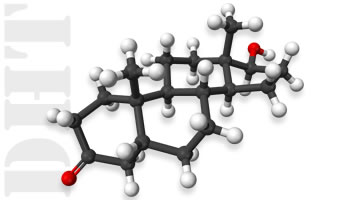
			<content:encoded><![CDATA[<div class="tweetmeme_button" style="float: right; margin-left: 10px;"><a href="http://api.tweetmeme.com/share?url=http%3A%2F%2Ftransguys.com%2Ffeatures%2Fdht-transgender-men"><img src="http://api.tweetmeme.com/imagebutton.gif?url=http%3A%2F%2Ftransguys.com%2Ffeatures%2Fdht-transgender-men" height="61" width="51" /></a></div><p><a href="http://en.wikipedia.org/wiki/Dihydrotestosterone"><img class="alignright size-medium wp-image-155" title="dht" src="http://transguys.com/wp-content/uploads/dht-300x171.jpg" alt="dht" width="300" height="171" /><strong>Dihydrotestosterone (DHT)</strong></a><strong> is a metabolite of testosterone that&#8217;s recommended by some SRS surgeons to encourage genital growth in transgender men.</strong> DHT can be topically applied in a transdermal cream, but is not to be confused with testosterone cream or testogel/androgel. DHT is at least three times more potent as an androgenic compound and is therefore the preferred choice for FTM genital growth.</p>
<p>DHT plays a vital role in virilization. When a trans man injects testosterone, his body converts some of it into DHT. It influences facial and body hair growth, voice changes, sex drive, and growth of muscle and genital tissue. Unlike other androgens, DHT cannot be converted to estradiol, and it&#8217;s not <a href="http://en.wikipedia.org/wiki/Anabolism">anabolic</a>, so it doesn’t build up in tissues, muscles and bones.</p>
<h3>DHT for Dick Growth</h3>
<p>For genital growth, a 10% DHT concentration, non-alcoholic cream is desired. A typical dosage is 20 mg administered three times a day, and it dispenses very easily when packaged in syringes (1 line = 1 dose). Simply rub the cream onto the glans, shaft and foreskin; it absorbs quickly. A minimum of three months of use is recommended.</p>
<p>Topical DHT shouldn’t drastically affect blood pressure or testosterone levels, but it&#8217;s a good idea to get regular blood work done while you&#8217;re using DHT, and to observe your moods and adjust your testosterone dosage as required.</p>
<h3>Getting a Prescription for DHT</h3>
<p>To get a prescription for DHT, ask your doctor or endocrinologist for &#8220;10% Dihydrotestosterone cream.&#8221; If they grant your request, take the prescription to a <a href="http://en.wikipedia.org/wiki/Compounding">compounding pharmacy</a>. Be sure to specify that the cream should not contain any alcohol.</p>
<p>In North America, DHT has been available to compounding pharmacies through the <a href="http://www.pccarx.com/">PCCA</a>. In July 2009, the PCCA announced that they were out of stock and that the manufacturer had ceased production of DHT. This was reportedly the only source of DHT available to Canadian pharmacies. It&#8217;s unknown if there are other sources available or not in the United States. It may be difficult to get a prescription for DHT filled in North America at this time.</p>
<h3>Buying DHT Online</h3>
<p>You can buy a 2.5% DHT gel called Andractim online and without a prescription at AllSaintsClinic.org. However, this product is alcohol based and may cause a temporary burning sensation. It&#8217;s also important to note that DHT is a schedule III controlled substance. In North America, it&#8217;s illegal to import it. Purchase at your own risk. If you do buy DHT online, check off &#8220;female&#8221; for gender on the order form, otherwise you&#8217;ll be required to purchase a prostate test kit.</p>
<h3>Side Effects of DHT</h3>
<p><strong>Hair Loss</strong></p>
<p>Despite being responsible for facial and body hair growth, one of the potential side effects of DHT is hair loss. DHT leaves a waxy substance at the root of hair follicles on the scalp that can inhibit hair growth. One possible solution is <a href="http://www.bodybuildingforyou.com/health-supplements/saw-palmetto.htm">saw palmetto</a> berry extract tincture, <a href="http://www.ncbi.nlm.nih.gov/pubmed/12006122">a natural herb that&#8217;s been shown to block DHT</a>. The tincture can be mixed with water and topically applied to the scalp to prevent that build up in the hair follicle roots. Dosage is 30-60 drops daily. A one month supply of saw palmetto tincture costs about $25 USD.</p>
<p><strong>Secondary Exposure</strong></p>
<p>Like Androgel, DHT cream presents a risk for transference and requires diligence to prevent accidental secondary exposure to sexual partners, children, and pets. Washing well an hour after application reduces&#8212;but does not eliminate&#8212;chance of exposure. The only safe form of protection is zero exposure. Since DHT is applied daily, avoiding all direct contact to the genitals throughout the period of usage is recommended.</p>
<h3>DHT Research</h3>
<p>While there aren’t any clinical studies about DHT use in transgender men, we can look to related studies for some guidance, particularly with regard to safety.</p>
<p><strong><a href="http://www.ncbi.nlm.nih.gov/pubmed/8326617?dopt=Abstract">Transdermal dihydrotestosterone therapy and its effects on patients with microphallus.</a></strong></p>
<blockquote><p>All patients demonstrated growth of the penis during treatment. The mean increase rate (153%) in the first 4 weeks of treatment was higher than that (118%) of the second 4 weeks&#8230; <strong>In conclusion, transdermal dihydrotestosterone therapy is an effective and relatively safe modality in the treatment of microphallus.</strong></p>
</blockquote>
<p><strong><a href="http://jcem.endojournals.org/cgi/content/full/86/9/4078">A Double-Blind, Placebo-Controlled, Randomized Clinical Trial of Transdermal Dihydrotestosterone Gel on Muscular Strength, Mobility, and Quality of Life in Older Men with Partial Androgen Deficiency</a></strong></p>
<blockquote><p>We conclude that 3 months treatment with transdermal dihydrotestosterone gel demonstrates expected androgenic effects, short-term safety, and limited improvement in lower limb muscle strength but no change in physical functioning or cognitive function.</p>
</blockquote>
<p><strong><a href="http://www.ncbi.nlm.nih.gov/pubmed/3935902?dopt=Abstract">Long-term transdermal dihydrotestosterone therapy: effects on pituitary gonadal axis and plasma lipoproteins.</a></strong></p>
<blockquote><p>&#8230;percutaneous DHT administration is a relatively safe modality of androgen replacement therapy as far as atherogenicity is concerned.</p>
</blockquote>
<p><strong><a href="http://www.ncbi.nlm.nih.gov/pubmed/2920848?dopt=Abstract">Absorption of dihydrotestosterone (DHT) after its intramuscular administration.</a></strong></p>
<blockquote><p>&#8230;suitable for long-term substitution therapy.</p>
</blockquote>
<p>DHT offers trans men the potential for genital growth that exceeds the promises of testosterone therapy alone. While dedicated research is lacking, related studies and anecdotal accounts suggest that DHT is a safe and promising treatment.</p>
<hr /><small>All content on TransGuys.com, including this feed, is licensed under <a href="http://creativecommons.org/licenses/by-nc-sa/2.5/ca/">Creative Commons</a>. You're free to share and mix this content, for non-commercial purposes only, provided you attribute the work and license any derivative work only under the same or similar licence to this one. (Digital key:  efc390b8ed9f472843775af8c05d3ca9 (38.107.191.85) )</small>]]></content:encoded>
			<wfw:commentRss>http://transguys.com/features/dht-transgender-men/feed</wfw:commentRss>
		<slash:comments>54</slash:comments>
		</item>
	</channel>
</rss>